







Tractor Rotavator: How to Choose the Right Tractor & Rotavator for Your Farm

 Save PDF
 Share
In This Article
- What Is a Tractor Rotavator and How Does It Work?
- How Do I Choose the Right Swaraj Tractor and Rotavator Combination?
- How to Match Tractor HP, PTO Requirements and Rotavator Size
- How Soil Type, Blade Design and Working Depth Affect Rotavator Selection
- How to Check Rotavator Compatibility with a Swaraj Tractor
- Tractor Rotavator vs Cultivator: Which Is Right for Your Farm?
- Explore Swaraj Rotavators and Compatible Tractors for Soil Preparation
- Frequently Asked Questions
Choosing the Right Swaraj Tractor and Rotavator for Soil Preparation
A rotavator is only as useful as the tractor behind it. With Swaraj, the match starts with your soil and field, then moves to working width, tractor power, PTO requirements and how well the implement fits the tractor. A tractor implement that is too wide, too heavy or driven at the wrong PTO speed wastes time and strains the machine.
Choose the rotavator for your soil and field first, then confirm that the tractor can power, lift and control that exact implement.
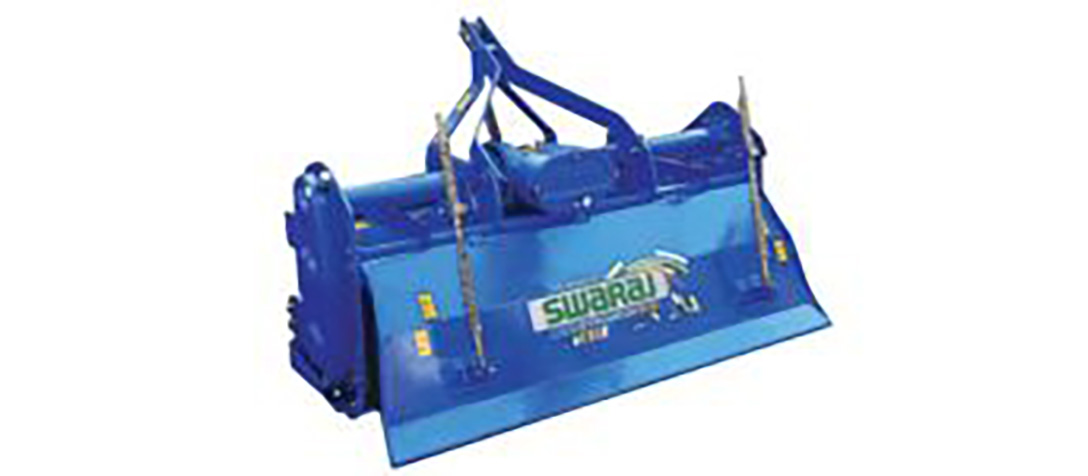
What Is a Tractor Rotavator and How Does It Work?
A rotavator is a PTO-driven implement that cuts, mixes and levels soil in one pass.
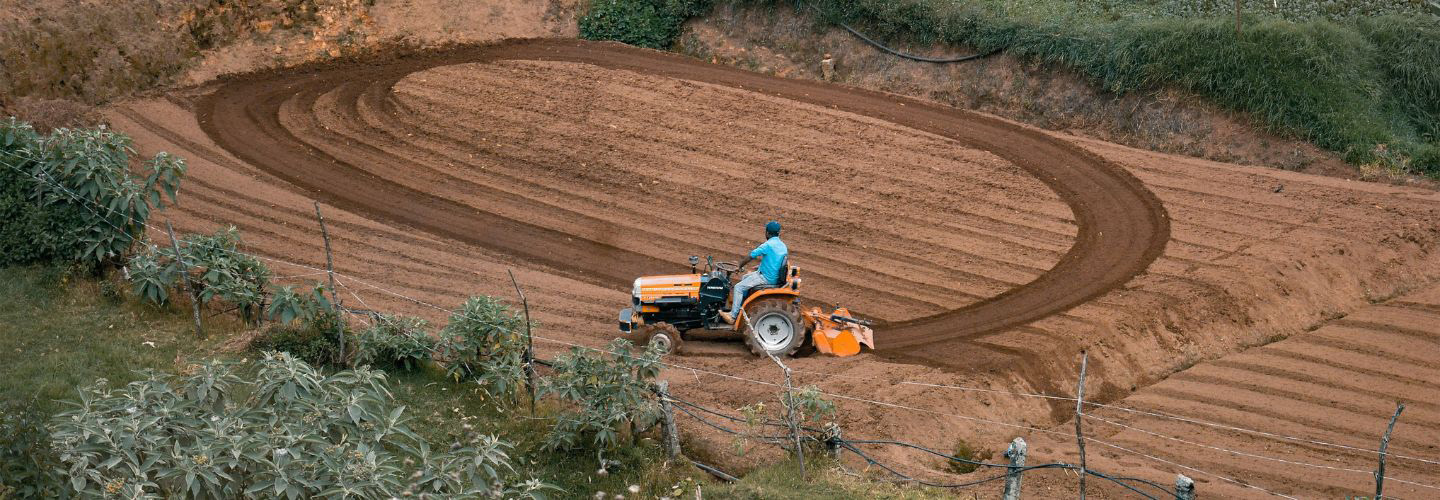
A tractor rotavator, also called a rotary tiller, mounts on the tractor's three-point linkage. Power travels from the PTO through a driveline and gearbox to a rotor shaft fitted with blades. The spinning blades cut into the soil, break clods and mix in crop residue, while a trailing board behind the rotor levels the surface. Swaraj sells its rotavators as Gyrovators, and its ZLX Gyrovator page describes cutting, mixing and levelling as one combined operation. The full range sits under Swaraj Farm Machinery.
How Do I Choose the Right Swaraj Tractor and Rotavator Combination?
Work from the soil job to the implement, then confirm the tractor can drive and lift it.
How do I choose the right tractor and rotavator combination? Begin with what your soil needs done, pick an implement size to suit, then check that your tractor can drive and lift it. Follow this order:
- Define the task. Note the soil texture, moisture, crop residue and the seedbed you want.
- Shortlist size and type. Pick a Gyrovator width that suits your field and how you plan to turn.
- Verify power and PTO. Compare the implement's listed tractor requirement with your tractor's HP and PTO specification.
- Check linkage and lift. Confirm the hitch fits and the hydraulics can raise the implement's weight.
- Test manoeuvrability. Make sure the tractor turns comfortably at your field edges.
How to Match Tractor HP, PTO Requirements and Rotavator Size
Match the implement's listed tractor requirement to your tractor's power and PTO, and treat any single example as a guide, not a rule.
Engine HP is not PTO power, and PTO speed is measured in rpm, not horsepower. A rotavator needs enough power at the PTO and the right PTO speed. Wider machines and harder soil raise the load. Swaraj lists a tractor requirement for each Gyrovator, so read that figure before choosing a width.
| Tractor power | PTO specification | Implement size | What to verify |
|---|---|---|---|
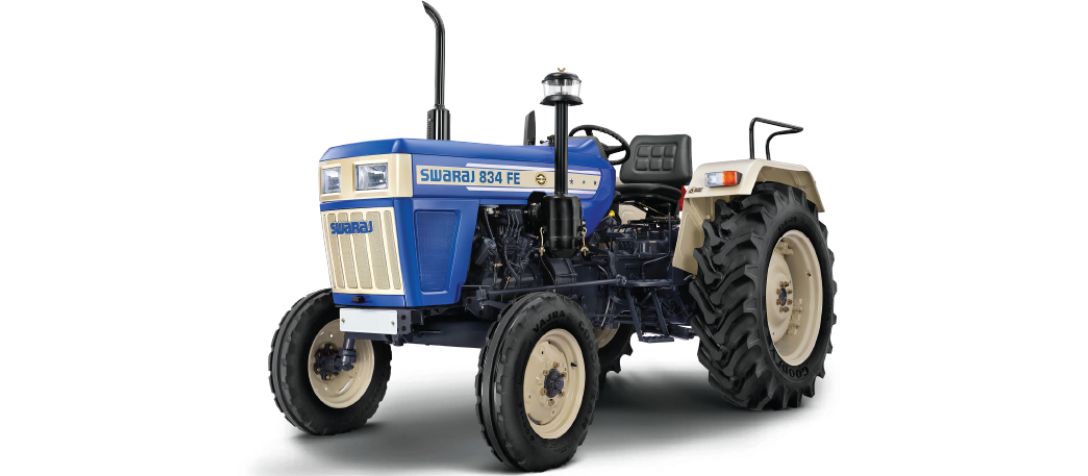
| Swaraj 834 FE, 31-40 HP | 540 r/min | ZLX lists 30 HP and above | Requirement for your chosen width |
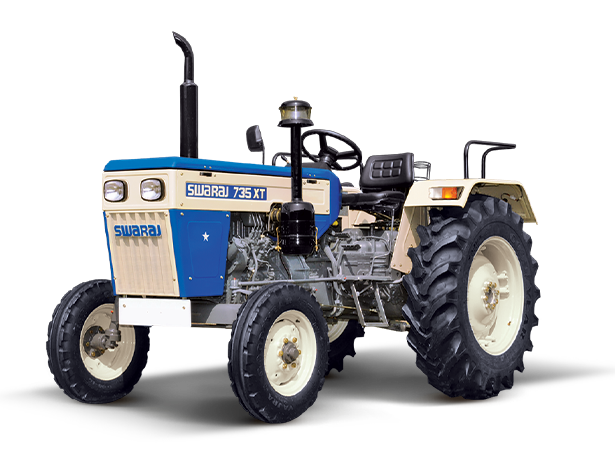
| Swaraj 735 XT 4WD, 41-45 HP | 540 r/min, IPTO and MSRPTO | SLX lists 40-45 HP | Which PTO option the implement needs |
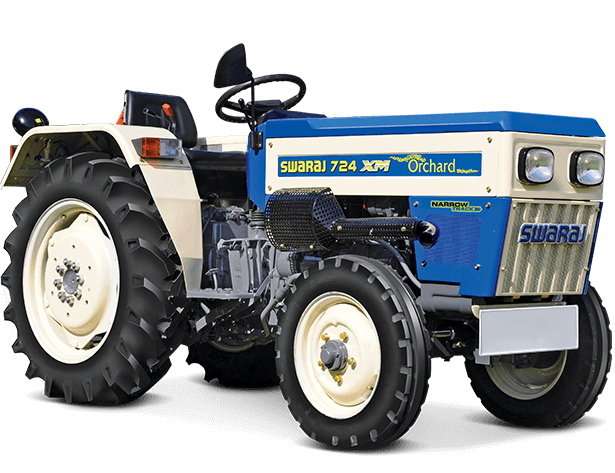
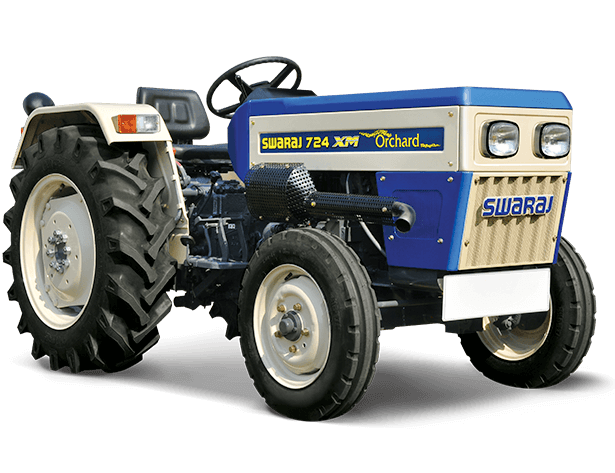
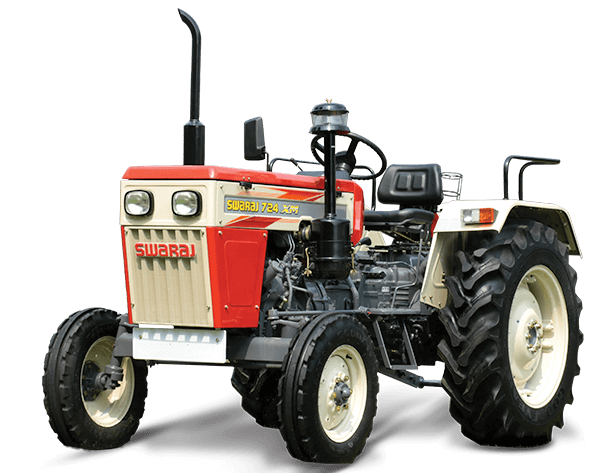
| Swaraj 724 XM, 20-30 HP | 1000 r/min, 540 optional | Check the implement listing | PTO speed before buying |
How Soil Type, Blade Design and Working Depth Affect Rotavator Selection
Soil and field conditions decide which rotavator features matter, so check them against your own land.
Wet clay, dry hard soil and paddy stubble all behave differently. Heavy residue and wet ground call for a different setup than a light seedbed. Width must also fit your field space, and tractor capacity limits how wide you can go, as covered in the HP and PTO section above.
| Soil or field condition | Rotavator feature to check |
|---|---|
| Wet or paddy fields | Sealing for wet use, trailing board |
| Heavy crop residue | Blade count, rotor speed options |
| Hard, dry soil | Depth adjustment, blade wear resistance |
| Fine seedbed needed | Adjustable trailing board |
| Small or irregular plots | Narrower working width |
How to Check Rotavator Compatibility with a Swaraj Tractor
Beyond HP and PTO, confirm the hitch, lift capacity, driveline and clearance before you buy or start work.
Every tractor implement has its own weight and connection needs, so do not assume two tractors share the same linkage or PTO setup. The Swaraj 834 FE page lists a 1650 kg maximum lift capacity and names the rotavator as a suitable implement, but you still need the actual implement weight.
Before purchase
- Three-point linkage fit with the tractor
- Implement weight against hydraulic lifting capacity
- PTO speed and shaft connection
Before use
- Driveline angle and clearance when raised
- PTO shield fitted
- Short test run at low depth
Tractor Rotavator vs Cultivator: Which Is Right for Your Farm?
A rotavator is PTO-driven and mixes soil more intensively, while a cultivator is draft-driven and loosens soil with tines.
Neither is better in every case. The right pick depends on your soil, crop and how much finishing the seedbed needs.
| Rotavator | Cultivator | |
|---|---|---|
| Power source | PTO-driven blades | Draft pull, tines |
| Soil action | Cuts and mixes | Loosens and stirs |
| Seedbed finish | Finer, levelled | Coarser, more passes may follow |
| Tractor need | Adequate PTO power | Adequate draw-bar pull |
Explore Swaraj Rotavators and Compatible Tractors for Soil Preparation
Use official Swaraj specifications to shortlist an implement, then confirm the tractor pairing.
| Product | Verified relevant feature | Compatibility check |
|---|---|---|
| ZLX Gyrovator | 1.25 to 2.05 m sizes, 36 to 60 blades, helicoidal anti wear blades | Listed from 30 HP and above; confirm per width |
| SLX Gyrovator | 1.50 to 2.5 m sizes, 4-speed gearbox, adjustable trailing board | Listed for 40-45 and 45-60 HP tractors |
| Swaraj 834 FE | 31-40 HP, 1650 kg maximum lift capacity | Match implement weight and PTO |

Frequently Asked Questions
What are the benefits of using a tractor rotavator for soil preparation?
A rotavator cuts, mixes and levels soil in a single operation. It also churns crop residue into the soil, and adjustable depth and trailing board settings help leave an even seedbed for sowing or transplanting.
What safety precautions should farmers follow while operating a rotavator?
Keep the PTO shield and guards fitted. Disengage the PTO and stop the engine before cleaning or adjusting blades. Keep people and animals clear of the rotor, and never transport the machine with the PTO running.
Where can farmers check official Swaraj rotavator specifications and availability?
Check the Farm Machinery section of the Swaraj website for Gyrovator specifications and brochures. For availability, use the dealer locator or call 1800 425 0735 with your tractor model ready.
What type of blades are used in a rotavator?
Swaraj ZLX Gyrovators use helicoidal anti wear blades, and the Gyrovator range lists 36 to 60 blades depending on size. Confirm the blade type fitted to your SLX or ZLX model with your dealer.
Which oil is used in a rotavator gearbox?
A Swaraj rotavator gearbox typically needs SAE 140 extreme pressure (EP-140) gear oil. Always confirm the grade and fill quantity in your Gyrovator owner’s manual before filling or topping up.


