







Tractor Cultivator: Types, Uses and How It Helps in Soil Preparation

 Save PDF
 Share
In This Article
- How Swaraj Cultivators Support Soil Preparation and Weed Control
- What Is a Tractor Cultivator and How Does It Work?
- Types of Tractor Cultivators and Their Uses
- Which Type of Tractor Cultivator Is Suitable for Different Soil Conditions?
- Mini Tractor Cultivator: Where Is It Useful?
- Tractor Cultivator Parts and Their Functions
- How to Choose the Right Swaraj Cultivator for Your Tractor and Farm?
- Explore Swaraj Cultivators and Tractors for Soil Preparation
- Frequently Asked Questions
How Swaraj Cultivators Support Soil Preparation and Weed Control
Tractor cultivators handle secondary tillage and interculture-type work. They loosen the upper soil layer, break smaller clods, disturb weeds and leave a workable bed before sowing. The result depends on matching the implement to the soil and to the tractor pulling it. This guide covers cultivator types, soil suitability, mini tractor use, parts and selection, then points to Swaraj tractors and implements worth checking.
Choose by field job first, then verify tine design, width, depth and tractor fit.
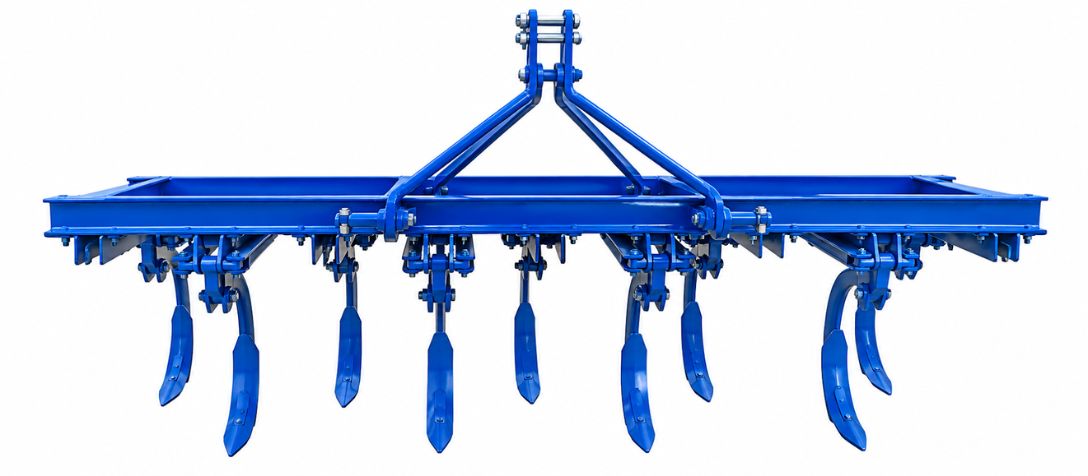
What Is a Tractor Cultivator and How Does It Work?
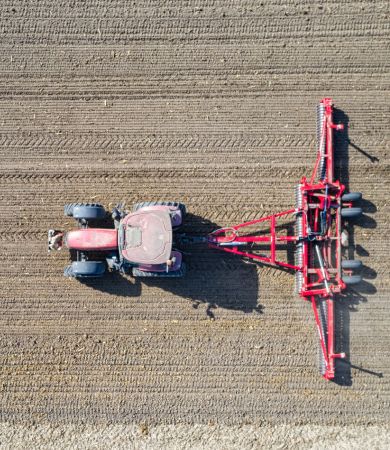
A tractor cultivator is a secondary tillage implement that loosens topsoil and disturbs weeds as the tractor moves forward.
A cultivator is attached to the tractor or pulled by it across the field. As the tractor moves, tines or shovels enter the upper soil layer, loosen it, break smaller clods and uproot weeds. Rigid and spring-loaded designs are draft implements, so they rely on the tractor's pull, not the PTO. A tractor drawn cultivator usually follows ploughing, which is why it counts as secondary tillage. Swaraj lists a Spring Loaded Cultivator under Farm Machinery.
Types of Tractor Cultivators and Their Uses
Work from the soil job to the implement, then confirm the tractor can drive and lift it.
Five tractor cultivator types cover most field jobs, and they differ in tine design and where they work best.
| Cultivator type | How it works | Typical use |
|---|---|---|
| Rigid tine | Fixed tines on a rigid frame cut into the soil | Firm, fairly uniform fields |
| Spring-loaded | Springs let tines flex when they meet resistance | Stony or uneven-resistance ground |
| Duck-foot or sweep | Broad flat shovels cut just under the surface and sever weed roots | Shallow weeding and light stirring |
| Offset | Frame shifts to one side of the tractor's line | Working beside rows, trees or boundaries |
| Row-crop | Narrow tines or sweeps set to the row spacing | Weeding between standing crop rows |
Shovel type and frame type can be combined, so a spring-loaded frame may carry sweeps.
Which Type of Tractor Cultivator Is Suitable for Different Soil Conditions?
No single type is best; soil hardness, stones, residue, depth and crop spacing should guide the choice.
Which type of tractor cultivator is suitable for different soil conditions? It depends on how hard the soil is, what lies in it, how deep you need to work and how your crop is spaced.
| Field or soil condition | Cultivator characteristic to consider |
|---|---|
| Firm, fairly uniform soil | Rigid tines with a frame strong enough for the depth |
| Stones or uneven resistance | Spring-loaded tines that give way on obstacles |
| Shallow weed control | Sweeps or duck-foot shovels set to shallow depth |
| Narrow rows or row crops | Row-crop layout with spacing matched to the rows |
| Field edges, tree lines | Offset frame |
Moisture changes how soil behaves, so test a small patch before covering the whole field.
Mini Tractor Cultivator: Where Is It Useful?
A mini tractor cultivator suits smaller plots and tight spaces, but it must still match the tractor.
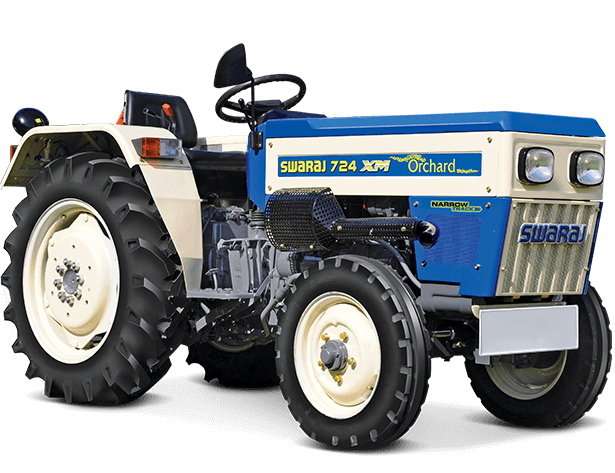
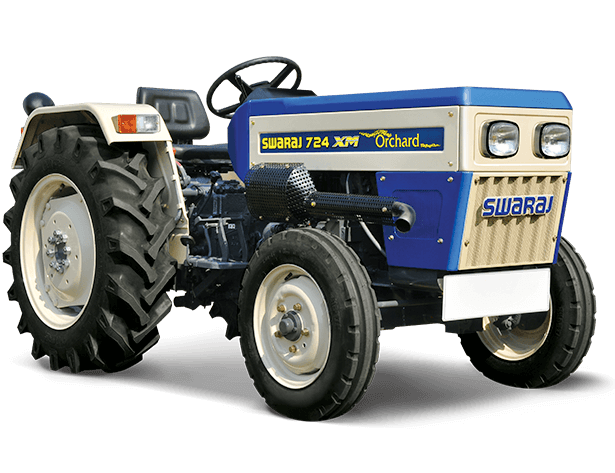
Three situations show where a compact pairing makes sense. A vegetable or small-grain plot has little room to turn. An orchard has narrow rows where inter-row work matters, and Swaraj describes the 724 XM Orchard as suited to inter-cultivation and orchard operation. Lanes between fruit or horticulture beds also call for light secondary tillage. Smaller does not mean universally compatible. Width, weight, tine count, working depth and draft requirement must still suit the tractor.
Tractor Cultivator Parts and Their Functions
Each part affects how evenly and deeply the cultivator works, so inspect them before every season.
| Part | Function | What to inspect |
|---|---|---|
| Frame | Holds tines and carries the load | Bends, cracks |
| Tines, shovels or sweeps | Cut and loosen soil; spacing shapes soil disturbance | Wear, loose bolts, even spacing |
| Springs (spring-loaded) | Let tines flex on obstacles | Fatigue, uneven tension |
| Hitch and top link | Set implement angle on the 3-point linkage | Pin wear, top-link setup |
| Depth adjustment, wheels | Hold working depth where fitted | Settings, play |
How to Choose the Right Swaraj Cultivator for Your Tractor and Farm?
Start with the soil job, then confirm that the tractor can pull, lift and control the implement.
Before you buy
- Define the field job and soil condition
- Check the maker's recommended tractor power range for the cultivator
- Compare working width, tine count and spacing with your rows
- Confirm the working depth you need
- Check implement weight against hydraulic lift capacity
- Verify 3-point linkage and hitch fit
- Consider field manoeuvrability
Before you attach
- Park on stable, level ground
- Secure hitch pins and the top link
- Test at low speed before full work
A tractor drawn cultivator suits some tractors and not others, so confirm fit for your exact model.
Explore Swaraj Rotavators and Compatible Tractors for Soil Preparation
Choose by the job, use official specifications, and confirm every pairing before purchase.
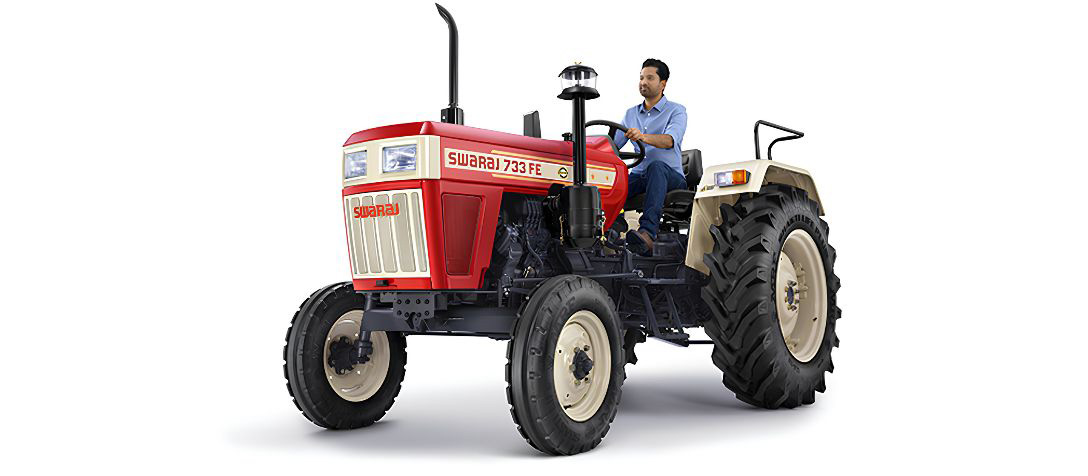
| Need | Option | Verified reason | What to verify |
|---|---|---|---|
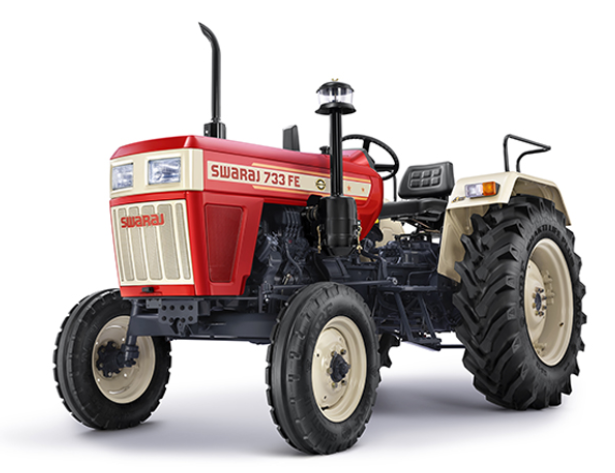
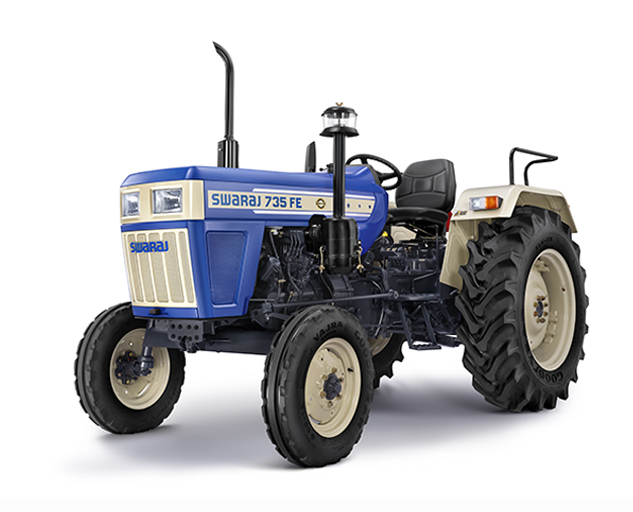
| General soil preparation, 31-40 HP | Swaraj 733 FE | Official page lists cultivators among suitable implements | Implement weight, linkage fit |
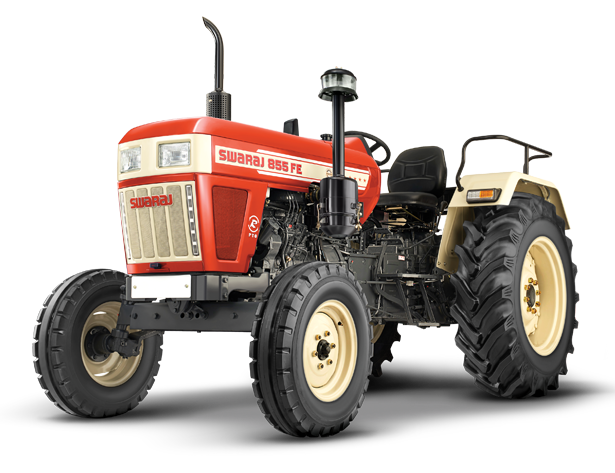
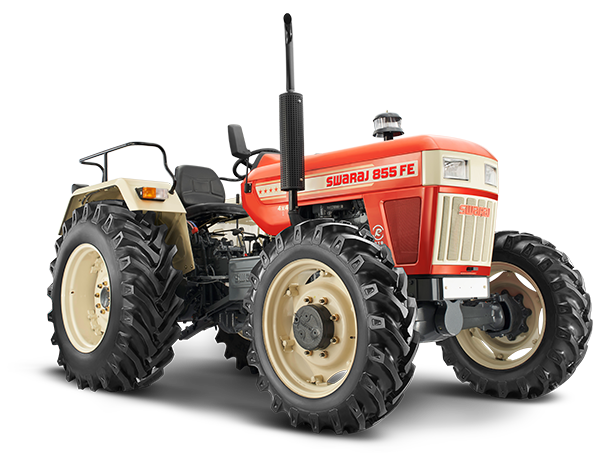
| Tough soil, traction concern | Swaraj 855 FE 4WD | Official page cites better pulling ability and less slippage | Cultivator's stated tractor requirement |
| The cultivator itself | Spring Loaded Cultivator, listed under Farm Machinery | Listed by Swaraj as a basic implement | Tine count, width, tractor requirement with a dealer |

Frequently Asked Questions
Can a tractor cultivator be used for weed control between crop rows?
Yes, row-crop and inter-row cultivators are made for this, using narrow sweeps or tines between rows. Set tine spacing to the row width and keep depth shallow to avoid damaging crop roots.
How many tines should a tractor cultivator have?
There is no single right number. Tine count depends on working width, soil hardness, tractor power and crop row spacing. Check the implement maker's stated tractor requirement for each width instead of counting tines.
Where can farmers check official Swaraj cultivator specifications and availability?
Visit the Farm Machinery page on the Swaraj website to see listed cultivators and implements. For specifications and availability, use the dealer locator or call 1800 425 0735 with your tractor model.
How deep does a tractor cultivator work?
Cultivators work the upper soil layer, so depth is shallow to medium. Actual depth depends on tine design, depth adjustment, soil hardness and tractor power. Check the maker’s stated working depth for your model.
What is a cultivator shovel?
A cultivator shovel is the replaceable metal point fitted at the tip of each tine. It enters the soil, loosens it and cuts weed roots. Sweeps and duck-foot shovels suit shallow weeding.


