







How to Choose the Best Tractor for Farming: Key Factors to Consider


Agri-Tech & Innovation
How to Choose the Best Tractor for Farming: Key Factors to Consider
The best tractor for farming is the one whose horsepower, drive type, PTO, hydraulics and implement compatibility match your land, your crops and the jobs you do most often. A 45 HP tractor that suits a 10-acre wheat farm is more than a 2-acre vegetable plot needs, and a compact orchard tractor will struggle with a heavy plough. Here is how to work through each factor.

 Save PDF
 Share

Agri-Equipment Content Specialist
In This Article
- Why choosing the right tractor matters
- Understand Your Farm Size, Crop Type and Farming Requirements
- Choose the Right Tractor Horsepower for Your Farm
- Choose Between 2WD and 4WD Based on Soil and Terrain
- Check PTO, Hydraulics and Implement Compatibility
- Consider Fuel Efficiency, Comfort and Ease of Operation
- Compare Tractor Price, Maintenance and After-Sales Support
- Find the Right Swaraj Tractor for Your Farming Needs
- Frequently Asked Questions
1 Why choosing the right tractor matters
Before comparing models, answer three questions:
Farm size: How many acres do you cover, and how quickly must each operation finish?
Crop type: Row crops such as cotton and sugarcane need narrow-track interculture; orchards need a low, manoeuvrable tractor; paddy demands traction in wet fields.
Main operations: Ploughing, rotavating, puddling, sowing, spraying, threshing and trolley work each load a tractor differently.
Your three most frequent operations decide almost everything that follows.
To pick the right tractor, match the engine power, pull, PTO capacity, and hydraulic lift to the crops you grow, the soil on your farm, and the tools you use every day.
2 Understand Your Farm Size, Crop Type and Farming Requirements
Start by looking at the actual work you do on your field rather than just reading specification sheets.
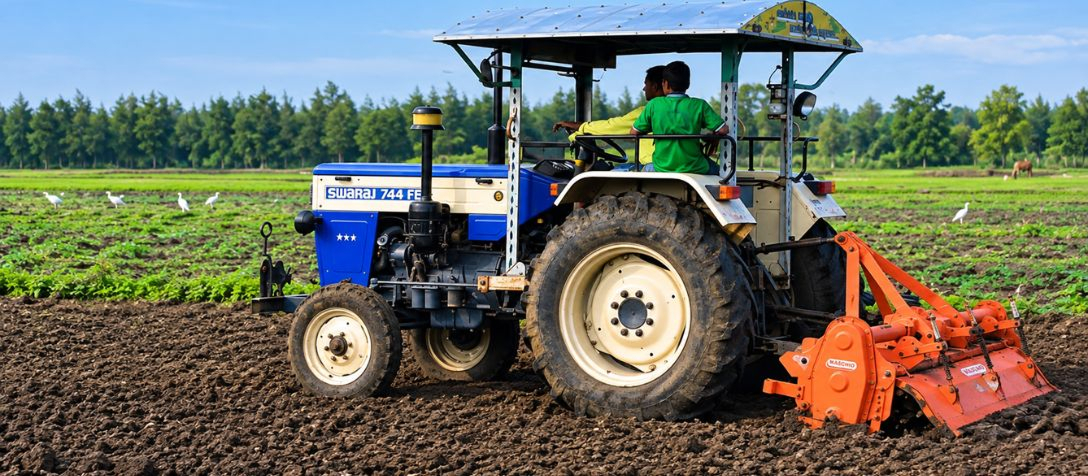
Small farms and orchards with narrow rows need a tractor that turns easily and fits under low tree branches without damaging fruit. Medium and large farms working on tight seasonal deadlines need enough engine power to finish ploughing and sowing quickly. Row crops like sugarcane and cotton need narrow wheel settings for inter-cultivation between crop rows. Wet paddy fields need high ground clearance and well-sealed axles so mud and water do not enter the moving parts during puddling.
3 Choose the Right Tractor Horsepower for Your Farm
Horsepower matters and is relative to what you pull and how hard your soil is. Rather than relying on strict acreage-to-HP rules, it is better to look at utility categories, as power ranges frequently overlap and tractor selection depends heavily on your specific implements and soil conditions:
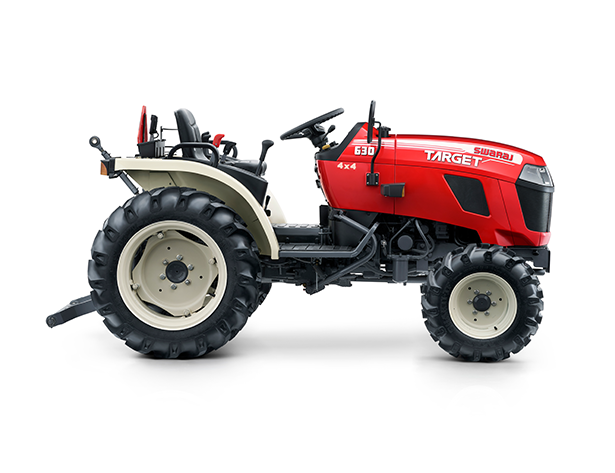
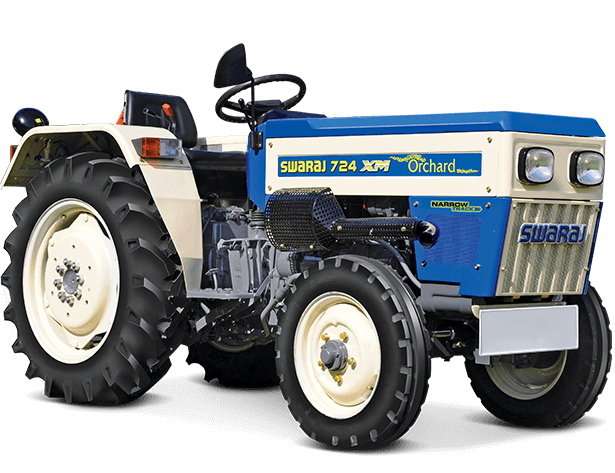
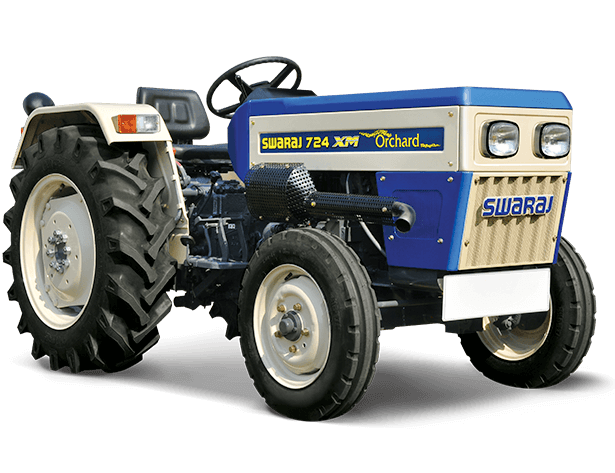
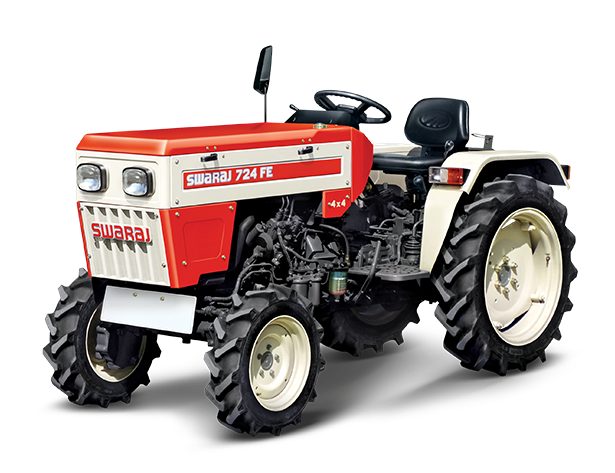
Compact Lightweight (15–35 HP): Designed for small spaces, orchard rows, vineyard spraying, and weeding between standing crops. For example, the Swaraj Target 630 4WD is a compact tractor designed for orchard and inter-cultivation work, where a narrow and manoeuvrable tractor is useful between crop rows.
Light Utility (25–40 HP) : Ideal for light transport, spraying, running small seed drills, and basic farm jobs where low diesel consumption is important. This category suits farmers who need a versatile tractor for lighter field operations without moving into a larger utility tractor.
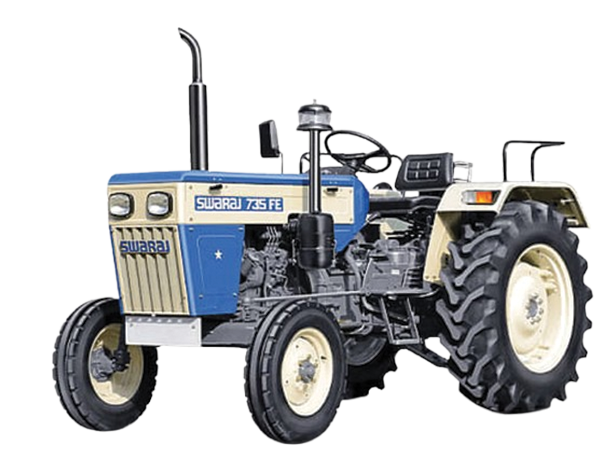
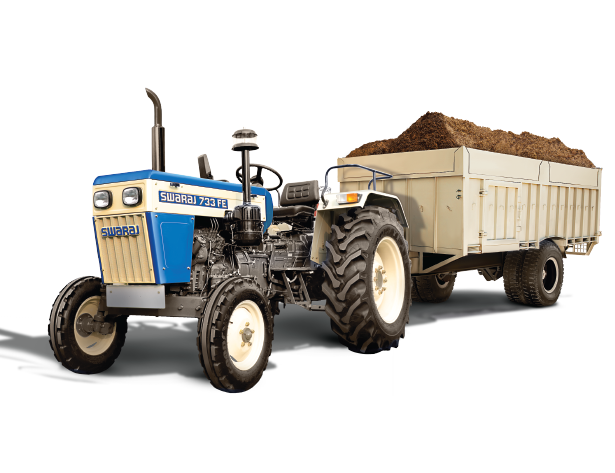
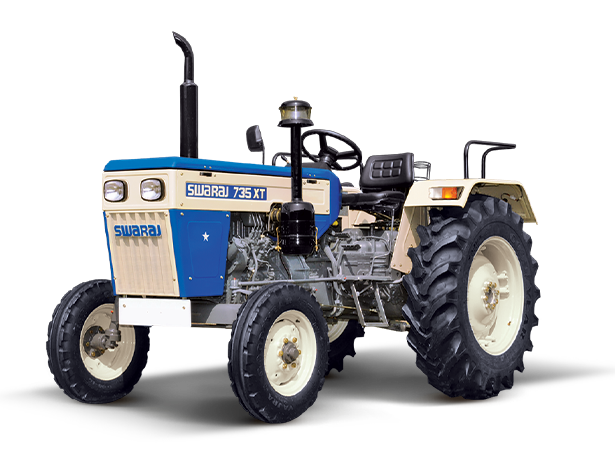
Medium Utility (35–47 HP): The all-round workhorse for Indian farms. It easily handles standard cultivators, seed drills, medium rotavators, and everyday trolley hauling.
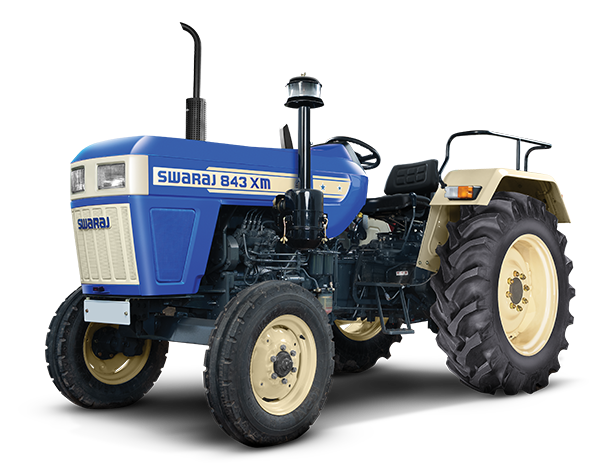
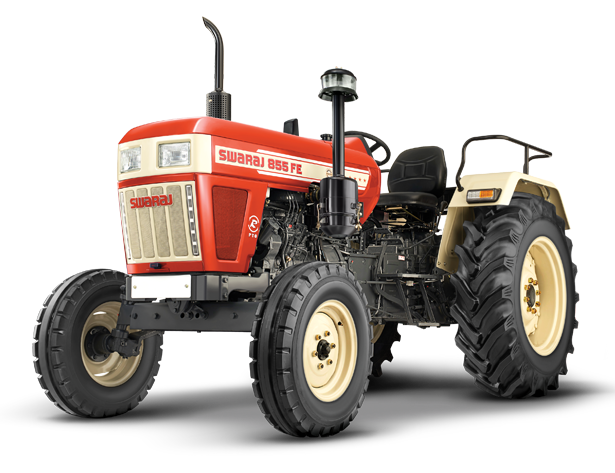
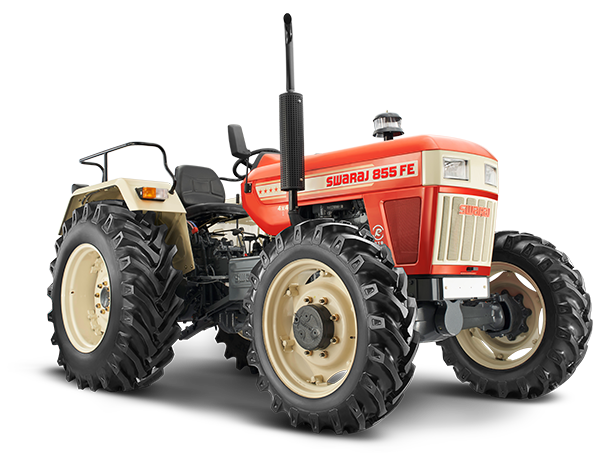
Heavy Utility (45–75+ HP) : For farmers dealing with tougher field work, a tractor with higher horsepower such as Swaraj 855 FE can take on jobs like deep ploughing, wider rotavators, reversible MB ploughs and laser levelling. It also works well for heavier transport. In simple terms, it’s a better option when the work involves larger implements, harder soil or more load than a regular tractor would typically handle.
4 Choose Between 2WD and 4WD Based on Soil and Terrain
Choosing between 2WD and 4WD really depends on the kind of field conditions you’ll be working in and your budget.
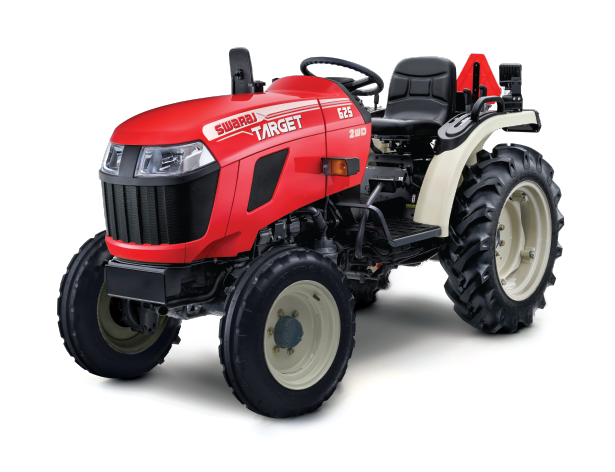
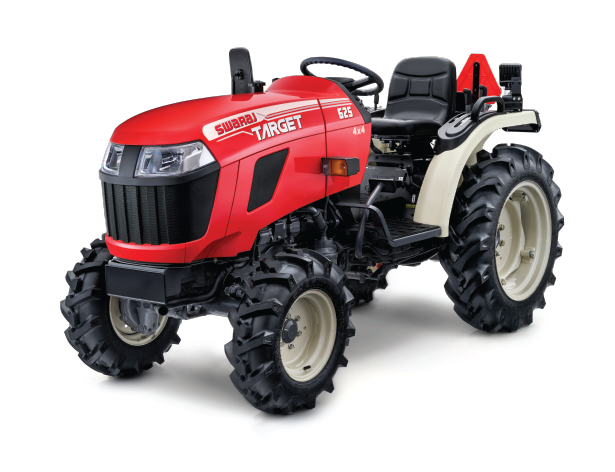
2WD tractors are lighter, use less fuel on road transport, and cost less to buy and maintain. They work very well on dry, flat fields and paved roads. 4WD tractors drive power to all four wheels, giving extra grip and reducing tyre slippage in wet paddy fields, loose sand, sloping ground, and heavy pulling work. If you do puddling or pull heavy trolleys on muddy unpaved roads, a 4WD tractor pays for itself by saving fuel and preventing stuck wheels.
5 Check PTO, Hydraulics and Implement Compatibility Check PTO, Hydraulics and Implement Compatibility
A farming tractor is only as useful as the implements it can power and lift efficiently.
When evaluating tractors, check these key details:
PTO Power and Speeds: Always check the PTO horsepower rating, as it’s typically lower than the engine’s horsepower. Look for multi-speed and economy PTO (540E) settings to run sprayers and threshers at lower engine speeds to save diesel. Reverse PTO helps you clear a jammed rotavator without manual effort.
Hydraulic Lift Capacity: Check how much weight the rear linkage can lift to make sure it handles your heaviest tool safely. Automatic Draft and Position Control (ADDC) keeps your plough or cultivator working at a steady depth in uneven soil. A Directional Control Valve (DCV) is needed to operate hydraulic tipping trolleys, reversible ploughs, and laser levellers.
6 Consider Fuel Efficiency, Comfort and Ease of Operation
Fuel is the single biggest expense over the life of a tractor.
You save the most diesel when your engine HP, gear choice, and implement size are correctly matched. Look for practical features that make long days on the tractor easier during sowing and harvest seasons:
Transmission and Brakes: A dual clutch lets you stop tractor movement while keeping the PTO running, so your thresher or rotavator does not stall. Oil-immersed brakes last longer and give reliable stopping power in water, mud, and dust.
Operator Comfort: Smooth power steering, easy-to-reach gear levers, a flat footboard, and a comfortable seat let you work long hours without quick fatigue.
7 Compare Tractor Price, Maintenance and After-Sales Support
The purchase price is only the first cost of owning a tractor. Look at the total running cost over many years:
Build Quality: Strong iron castings and heavy sheet metal body panels stand up to rough field use far better than plastic bodies.
Service and Parts: Make sure spare parts are easily available and reasonably priced at your local town dealer. Fast service during busy sowing months prevents costly delays in the field.
Maintenance: Look for a tractor that is easy to maintain and has straightforward routine servicing. Swaraj tractors are designed for practical maintenance, helping farmers manage regular checks, servicing and replacement of commonly required parts with less hassle. Following the recommended service intervals can also help avoid unexpected repair costs and keep the tractor working reliably.
Resale Value: Well-known tractor brands keep a higher resale value when you trade in or sell later in the second-hand market.
8 Find the Right Swaraj Tractor for Your Farming Needs
Swaraj builds tough tractors designed for Indian farming conditions, with strong sheet metal bodies, high engine torque, and straightforward maintenance across every class:
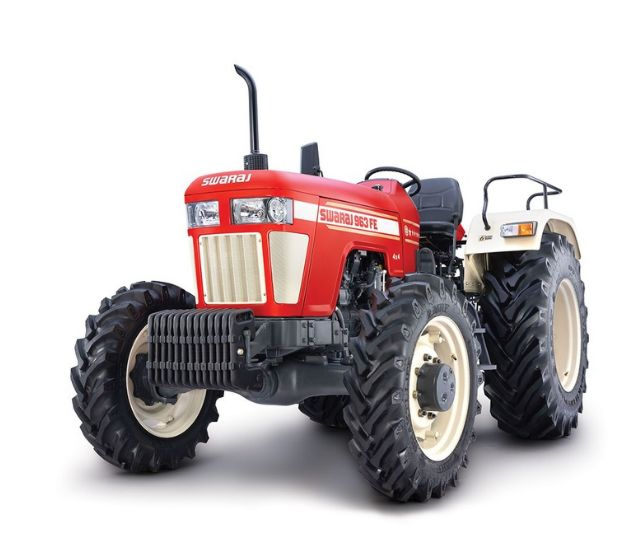
Swaraj Target 630 4WD (Compact Lightweight): Made specifically for orchards and inter-cultivation. It offers 4WD grip in a narrow, lightweight frame, letting you work tightly between crop rows without damaging plants.
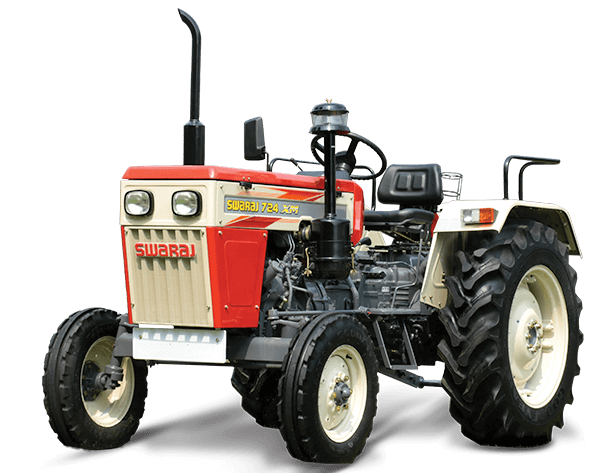
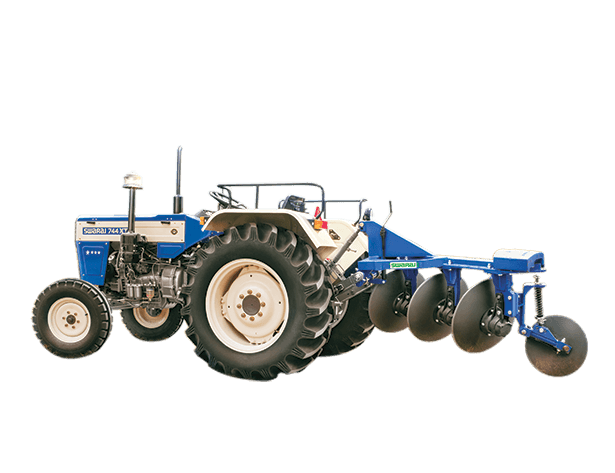
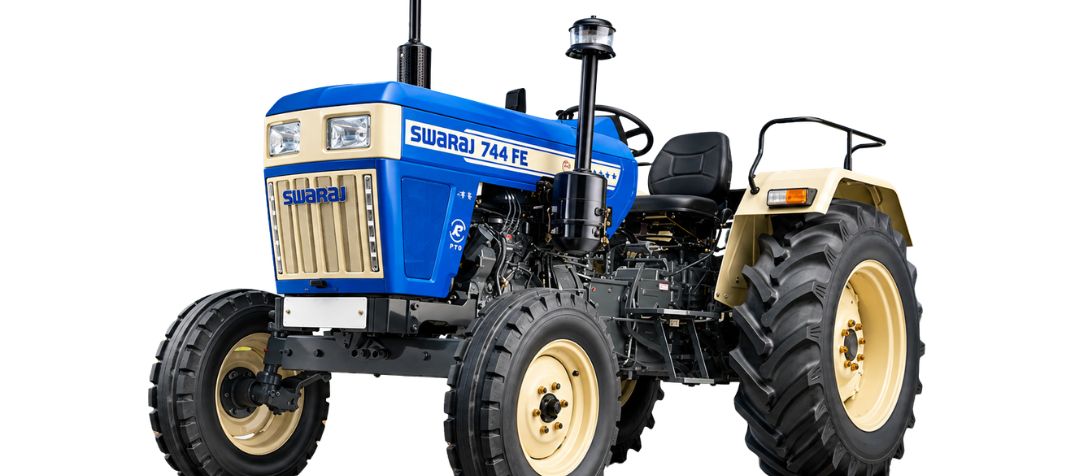
Swaraj 744 FE (Medium Utility): A reliable, popular all-rounder. With strong lifting power and practical gear speeds, it works well for cultivators, seed drills, and regular haulage.
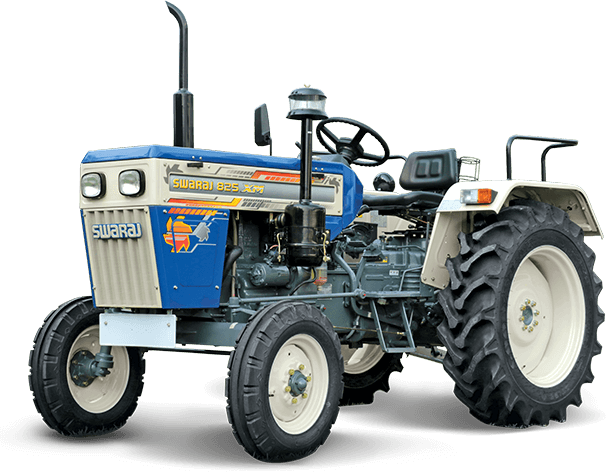
Swaraj 855 FE (Heavy Utility): Built for tough soil and heavy loads. Equipped with strong hydraulics and an optional 4WD version, it gives the pull needed for deep ploughing and large rotavators
You can explore the full range on the Swaraj products page or use the dealer locator to book a field demonstration.
Agri-Equipment Content Specialist
Frequently Asked Questions
Which HP tractor is best for farming?
There is no single best HP, and strict acreage rules do not apply. Instead, look at utility categories: Compact Lightweight, Light Utility, Medium Utility, or Heavy Utility. Match the tractor power and weight to your heaviest regular implement and your soil conditions.
Is a 4WD tractor better than 2WD for farming?
4WD is better where traction is the primary limitation: wet paddy puddling, steep slopes, loose sandy soil, and heavy hauling. On level, dry land, a 2WD tractor does the same work at a lower initial purchase and running cost.
How do I choose a tractor for a small farm?
List your main field operations, pick the utility class that handles the heaviest of them, and prioritize manoeuvrability, fuel efficiency, implement compatibility, and local dealer support.
What should I check before buying a farm tractor?
Confirm engine and PTO HP, hydraulic lift capacity, PTO speeds, DCV availability, 2WD or 4WD drive type, brake design, steering comfort, service interval, warranty terms, and dealer proximity. Always request a field demonstration on your own land before buying.


