







Tractor for Haulage: How to Choose the Right Tractor for Heavy Loads


 Save PDF
 Share

Agri-Equipment Content Specialist
In This Article
- Why haulage needs a different tractor-selection approach
- Understand Your Haulage Load, Distance and Route Conditions
- Choose the Right Power and Torque for Heavy-Load Haulage
- Check Transmission, Clutch and Driveline for Regular Haulage
- Prioritise Braking, Stability, Tyres and Traction
- Check Trolley, Hitch and Trailer Compatibility
- Consider Fuel Use, Operator Comfort, Maintenance and Service Support
- Find the Right Swaraj Tractor for Your Haulage Needs
- Frequently Asked Questions
1 Why haulage needs a different tractor-selection approach
Buying a tractor for trolley work is very different from buying one for field plowing. Fieldwork needs strong hydraulic lifting and PTO power. Trolley haulage puts constant stress on engine torque, road gear ratios, brakes, and the rear axle. Two tractors with the exact same horsepower can behave completely differently when pulling a full sugarcane trolley up a slope or getting out of a muddy field exit. Getting the right haulage tractor means picking one with the right engine pull, heavy-duty build, and reliable brakes for your daily routes.
2 Understand Your Haulage Load, Distance and Route Conditions
Before checking tractor specs, look closely at your daily hauling job:
Load Type and Weight: Sugarcane, timber, and wet manure are much heavier per trolley load than vegetables or grain bags.
Distance and Trip Frequency: A short run from field to home twice a week is very different from daily heavy trips to a sugar mill or local mandi.
Route Conditions: Check the roads you drive on. Wide asphalt roads work fine with 2WD, but muddy field exits, monsoon roads, steep slopes, and tight factory yards need strong engine pull, low gears, and better tyre grip.

3 Choose the Right Power and Torque for Heavy-Load Haulage
When choosing a heavy tractor for haulage, engine displacement and engine torque matter more than just horsepower numbers.
A big-engine tractor produces strong pulling power at lower RPM. This helps the tractor pull away easily with a heavy loaded trolley and hold its speed on slopes without changing gears repeatedly. Running a high-torque engine at steady speeds uses less diesel and puts less strain on engine parts compared to running a smaller engine at full throttle.
For haulage applications, Medium Utility tractors (35–47 HP) are suitable for regular trolley work and moderate loads, while Heavy Utility tractors (45–75+ HP) are better suited to heavier loads and more demanding haulage conditions. The right power range depends on the load you carry, route conditions and the type of work you expect the tractor to handle.
4 Check Transmission, Clutch and Driveline for Regular Haulage
Regular trolley transport puts heavy wear on your gearbox, clutch, and axles.
Gear Ratios: Choose a gearbox with proper road gear options. A low gear helps move heavy loads from a stop without engine stalling, while higher road gears save diesel when driving empty or cruising. Side-shift gear levers make frequent gear changes much easier on the driver.
Clutch Life: Full load hauling means constant starting, stopping and turning in crowded mandis. A heavy duty dual clutch will handle the heat better and last longer without wearing out quickly.
Rear Axle Strength: Pulling a loaded trolley puts heavy weight directly on the rear hitch. Strong rear axle housings prevent bending and handle heavy drawbar stress year after year.
5 Prioritise Braking, Stability, Tyres and Traction
Stopping a fully loaded trolley going downhill is the real safety test for any tractor.
Oil-Immersed Brakes: Oil brakes handle heat much better, stay protected from water and dust, and give reliable stopping power without brake slipping.
Tractor Weight and Wheelbase: A longer wheelbase and good front-end weight help keep the front tyres firmly planted under heavy loads, helping reduce the risk of front-end lifting and trailer sway under heavy loads.
Tyres and Traction: 4WD offers extra traction on wet fields, slopes and unpaved kachcha roads, which helps prevent the tyres from spinning in muddy or slippery conditions.
6 Check Trolley, Hitch and Trailer Compatibility
Make sure the tractor connects smoothly and safely to your trolley before buying:
Hitch and Drawbar: Find a nice swinging drawbar that can be adjusted to the correct height for your hitch. An easy hitch lever is also a bonus, so one person can hitch a heavy trolley without needing the extra help.
Hydraulics for Tipping Trolleys: If you are using a tipping trolley, make sure that your tractor is fitted with a Directional Control Valve (DCV) or a trailer pipe coupling with an isolator valve. This helps you raise and lower the trolley body smoothly and safely.
Trailer Lights: A rear electrical socket connects your trailer brake lights and indicators for safe driving at night on main highways.
Note: Three-point hydraulic lift capacity measures how much weight the tractor can lift off the ground, not how much it can pull on wheels. Never use hydraulic lift capacity as a trolley haulage rating.
7 Consider Fuel Use, Operator Comfort, Maintenance and Service Support
Your running costs over the years depend on diesel consumption, maintenance expenses, and quick service during harvest season.
Matching your trolley load to the right engine size and road gear saves a lot of diesel. For long transport trips to the mill or mandi, smooth power steering, a comfortable seat, clear headlights, and a wide floor platform keep the driver comfortable.
8 Find the Right Swaraj Tractor for Your Haulage Needs
Swaraj tractors are made for farm and transport work, with features such as strong engines, sturdy builds, and durable rear axles. The right model can handle everything from routine farm jobs to heavier loads.
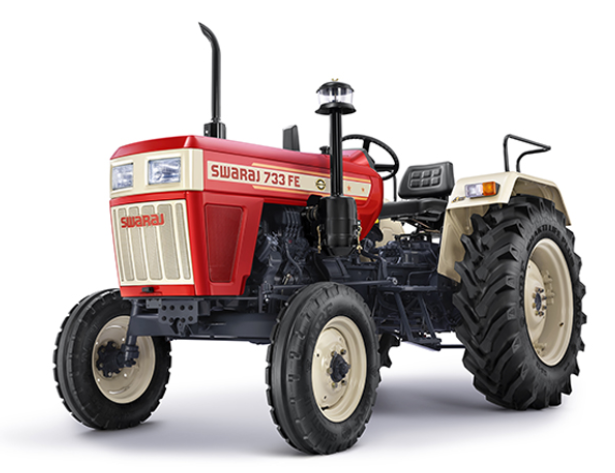
Swaraj 733 FE: Suitable for lighter loads and shorter trips around the village or farm. The 8+2 gearbox offers useful speed options, while the longer wheelbase helps keep the tractor stable. An isolator valve also makes it easier to use a tipping trolley without extra modifications.
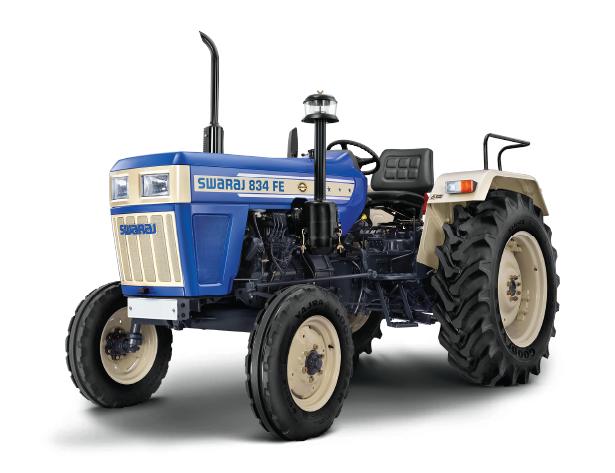
Swaraj 834 FE: It works well for everyday farm work and regular trolley use. The engine provides the torque needed to pull a loaded trolley from a standstill, while the easy hitch lever makes trolley attachment easier for one person.
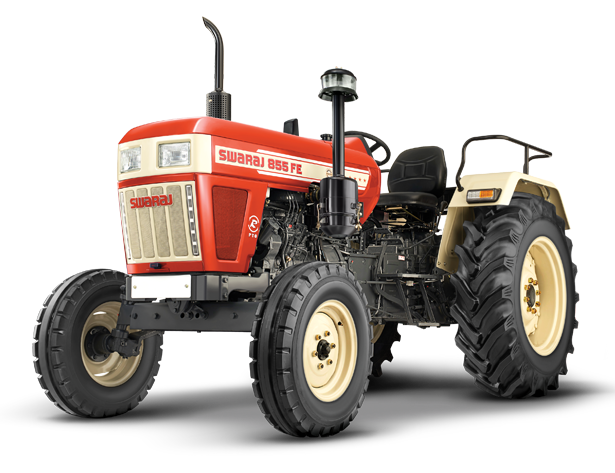
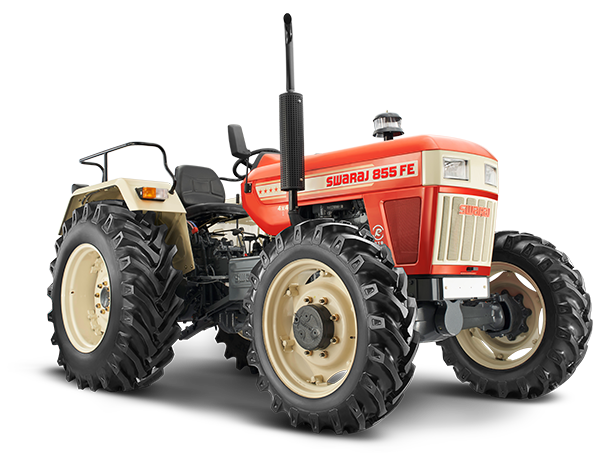
Swaraj 855 FE 4WD: This machine is made for heavy-duty hauling through mud, loose soil, and steep ramps. With 4-wheel drive backing you up, the front tyres grip the track directly so you don't waste diesel with spinning wheels on unpaved roads.
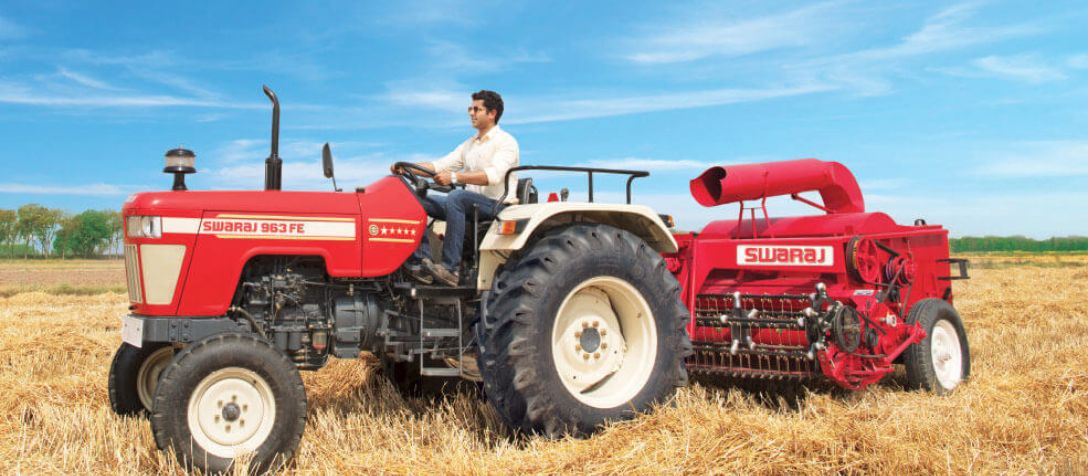
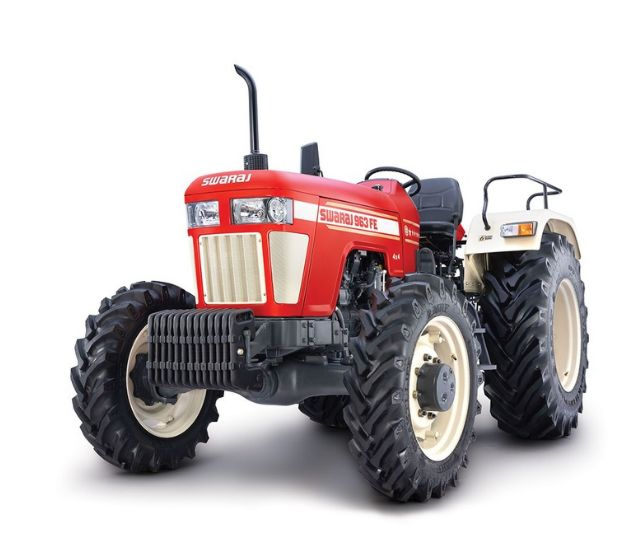
Swaraj 963 FE: Built for long-distance highway hauling and commercial sugarcane transport. The high-capacity engine holds its speed when pulling heavy dual-axle trolleys, while oil-immersed disc brakes and power steering keep the driver safe and comfortable during long mill trips.
You can explore transport models on the Swaraj products page or use the dealer locator to book a demo with your own loaded trolley.

Agri-Equipment Content Specialist
Frequently Asked Questions
Which tractor is best for heavy-load haulage and trolley work?
The best haulage tractor features a high-displacement engine with strong backup torque, well-spaced road gears, a heavy-duty clutch, oil-immersed brakes, a long wheelbase, and wide rear tyres. Add 4WD if your haulage routes cross soft soil or hilly terrain, and match the tractor model directly to your regular load weight, distance, and route conditions.
Does more HP mean a tractor can pull a heavier trolley?
No. A tractor’s actual hauling performance depends on more than just horsepower. Torque, gearing, tractor weight, tyre grip, and braking all matter. For heavy loads, a well-geared tractor with strong torque can perform better than a lighter, higher-HP tractor.
Is 4WD necessary for haulage?
4WD isn’t usually necessary for regular transport on flat, paved roads. However, it can make a big difference on muddy field exits, during the monsoon, on steep slopes, and on loose kachcha roads where 2WD tyres may struggle for traction with a heavy trolley.
Which Swaraj tractor is good for regular trolley work?
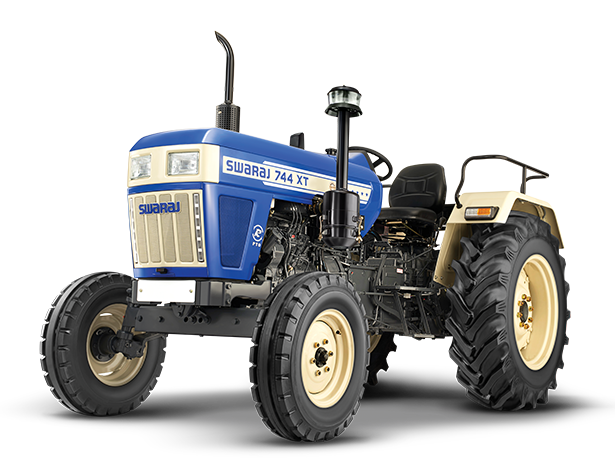
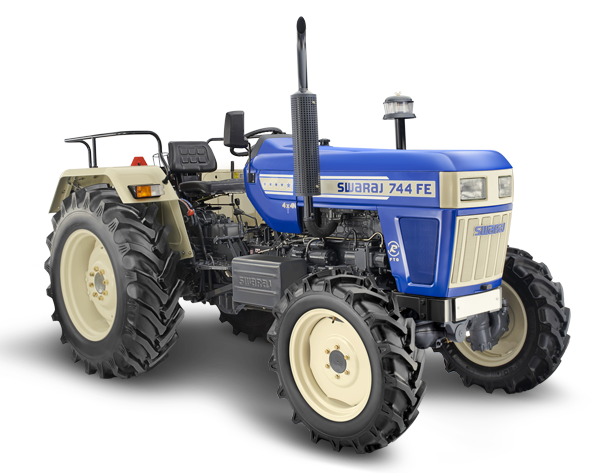
For normal trolley work and day-to-day farming, the Swaraj 834 FE and 744 FE are good choices. For heavier loads, longer trips, or rough roads, you can look at the Swaraj 855 FE, 855 FE 4WD, or 963 FE, as these tractors are built to handle heavier pulling work.
Want To Know More?
We Are Happy To Help


